
MMO 2026 in La Manche and the Southern North Sea concludes with review in Brussels
Date
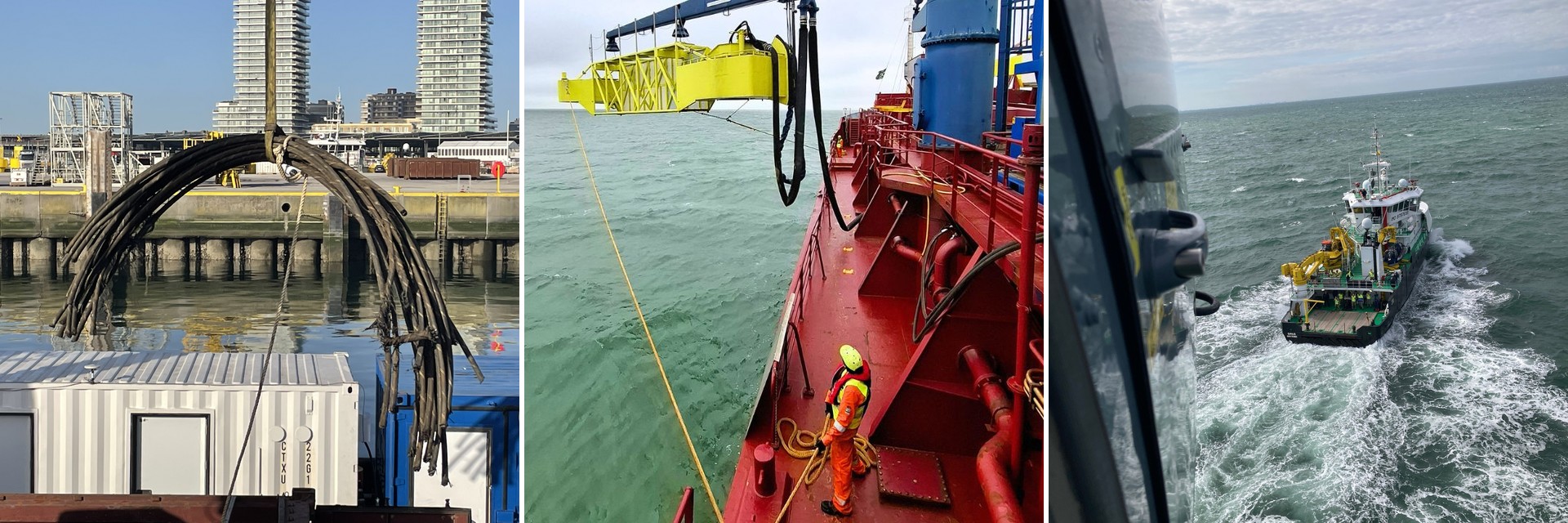
For four months, national authorities from Belgium, France and the Netherlands worked alongside EMSA, the European Fisheries Control Agency (EFCA) and the European Border and Coast Guard Agency (Frontex) in one of Europe’s most heavily navigated sea areas. On 16 October, partners met in Brussels to review the 2026 Multipurpose Maritime Operation (MMO) in La Manche and the Southern North Sea and to look ahead to future operations.
The MMO MSNS 2026 Review and Outlook Event was hosted by the Directorate-General Shipping of the Belgian Federal Public Service Mobility and Transport, in close cooperation with EMSA, and brought together representatives of the participating authorities, the European Commission, EFCA and Frontex, in Brussels and online.
Following a welcome address by Peter Claeyssens, Director-General of DG Shipping, EMSA Executive Director Maja Markovčić Kostelac presented the results of the operation and the outlook for future cooperation in the region. Eric Banel, France’s Director General for Maritime Affairs, Fisheries and Aquaculture, shared the French perspective as a participating Member State, while Charlina Vitcheva, Director-General for Maritime Affairs and Fisheries, and Olivier Onidi, Deputy Director-General for Migration and Home Affairs, spoke on behalf of the European Commission.
Running from 11 May to 11 September 2026, this was the third consecutive MMO in the region coordinated by EMSA, in close cooperation with EFCA and Frontex, and the first in this region for the Netherlands and Frontex. Together, the participating authorities and agencies worked across nine coast guard functions and more than 30 use cases. Close to 70,000 different vessels were detected in the operational area, and the participating authorities shared 893 operational events through the MMO dashboard, with EMSA’s European Maritime Awareness Centre acting as the MMO Coordination Centre.
Throughout the operation, EMSA made its services available to the participating authorities:
- Integrated Maritime Services, providing a near real-time maritime picture to support the planning and coordination of activities at sea;
- CleanSeaNet, with 232 satellite images delivered over the French, Belgian and Dutch areas of responsibility to support pollution monitoring;
- Remotely Piloted Aircraft Systems (RPAS), with 125 flights from the Belgian coast totalling 444 flight hours, and a lightweight RPAS operating from EFCA’s offshore patrol vessel;
- underwater services, from wreck surveys and the recovery of a disused telecommunications cable off the Belgian coast to hull and harbour inspections with the Netherlands Coastguard;
- training through the EMSA Academy, including on the Integrated Maritime Services and RPAS.
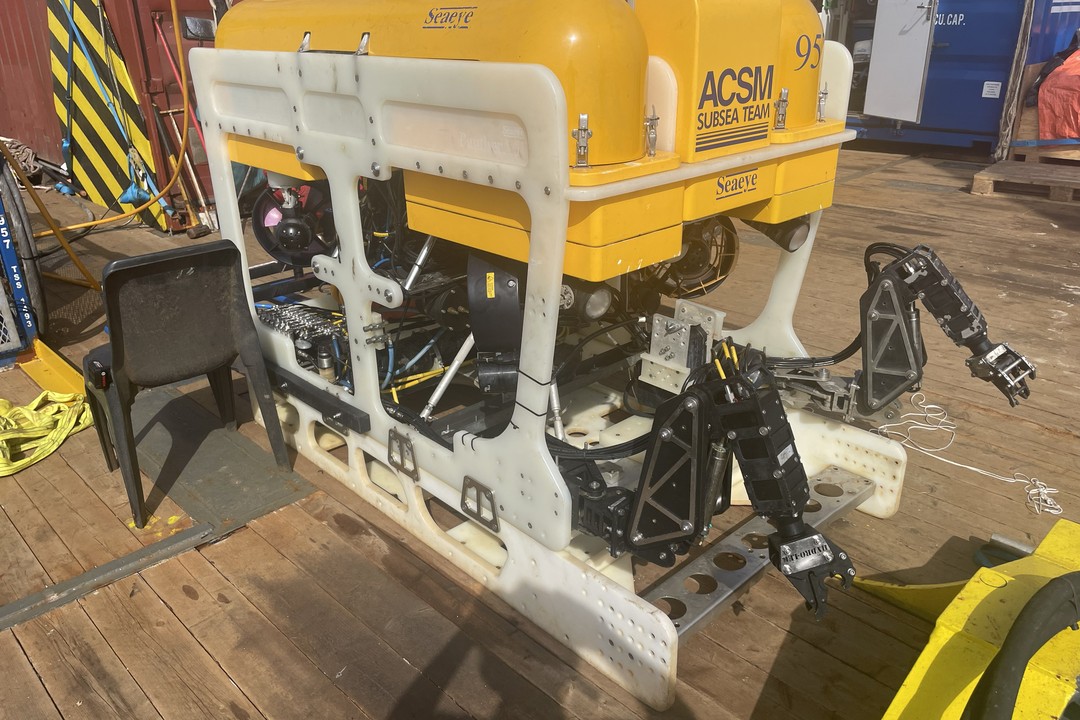 The work-class remotely operated vehicle used for EMSA’s underwater services off the Belgian coast, May 2026. Photo: © EMSA, Belgian Directorate-General Environment of the Federal Public Service Health, Food Chain Safety and Environment The work-class remotely operated vehicle used for EMSA’s underwater services off the Belgian coast, May 2026. Photo: © EMSA, Belgian Directorate-General Environment of the Federal Public Service Health, Food Chain Safety and Environment |
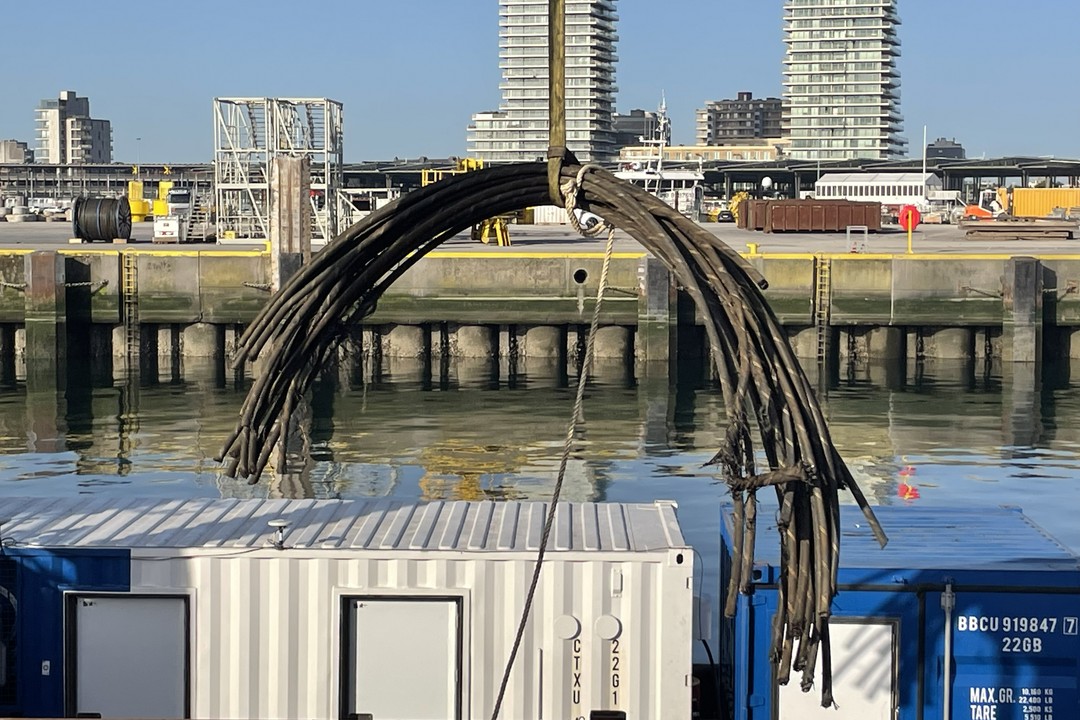 Part of the disused Hermes 2 telecommunications cable, recovered from the seabed off the Belgian coast, is landed in the port of Ostend. Photo: © EMSA, Belgian Directorate-General Environment of the Federal Public Service Health, Food Chain Safety and Environment Part of the disused Hermes 2 telecommunications cable, recovered from the seabed off the Belgian coast, is landed in the port of Ostend. Photo: © EMSA, Belgian Directorate-General Environment of the Federal Public Service Health, Food Chain Safety and Environment |
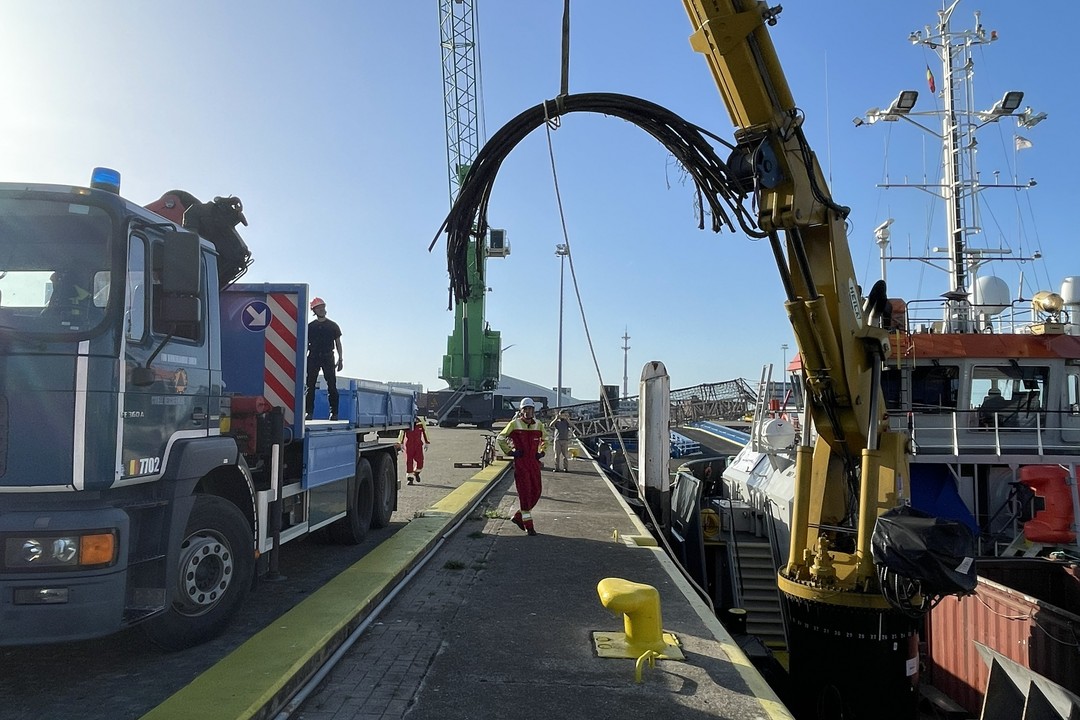 The recovered cable is offloaded on the quay in the port of Ostend. Photo: © EMSA, Belgian Directorate-General Environment of the Federal Public Service Health, Food Chain Safety and Environment The recovered cable is offloaded on the quay in the port of Ostend. Photo: © EMSA, Belgian Directorate-General Environment of the Federal Public Service Health, Food Chain Safety and Environment |
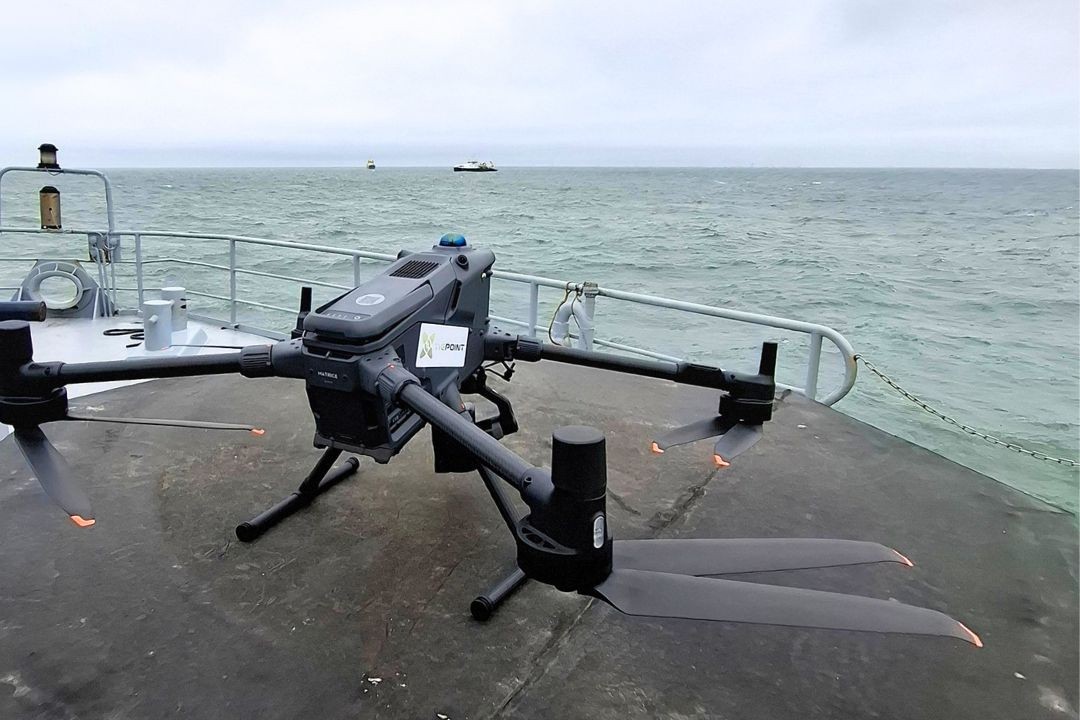 EMSA’s lightweight RPAS ready for take-off during the POLEX 2026 exercise. Photo: © EMSA EMSA’s lightweight RPAS ready for take-off during the POLEX 2026 exercise. Photo: © EMSA |
EFCA coordinated fisheries control activities through its FISHNET platform and regular coordination meetings with Member States under the Western Waters and North Sea Joint Deployment Plans, deploying its offshore patrol vessel Ocean Guardian and fixed-wing aircraft Blue Knight. Frontex supported maritime border surveillance under Joint Operation France 2026, deploying surface and aerial assets, including a Spanish offshore patrol vessel: its maritime assets conducted 22 surveillance missions and its surveillance aircraft 73 operational missions.
Alongside these continuous services, training and exercises gave partners the opportunity to test procedures together in realistic conditions. In June, EMSA’s stand-by oil spill response vessel Interballast III joined Belgian and Dutch vessels in the POLEX 2026 oil pollution response exercise off Zeebrugge, which tested cross-border response arrangements in a simulated oil pollution scenario. In August, EMSA and France tested the CISE “Vessel of Interest” Operational Service for the exchange of information on sanctioned vessels. In September, SARex 2026, coordinated by MRCC Ostend, tested a multinational search and rescue response to a simulated maritime casualty involving 28 persons.
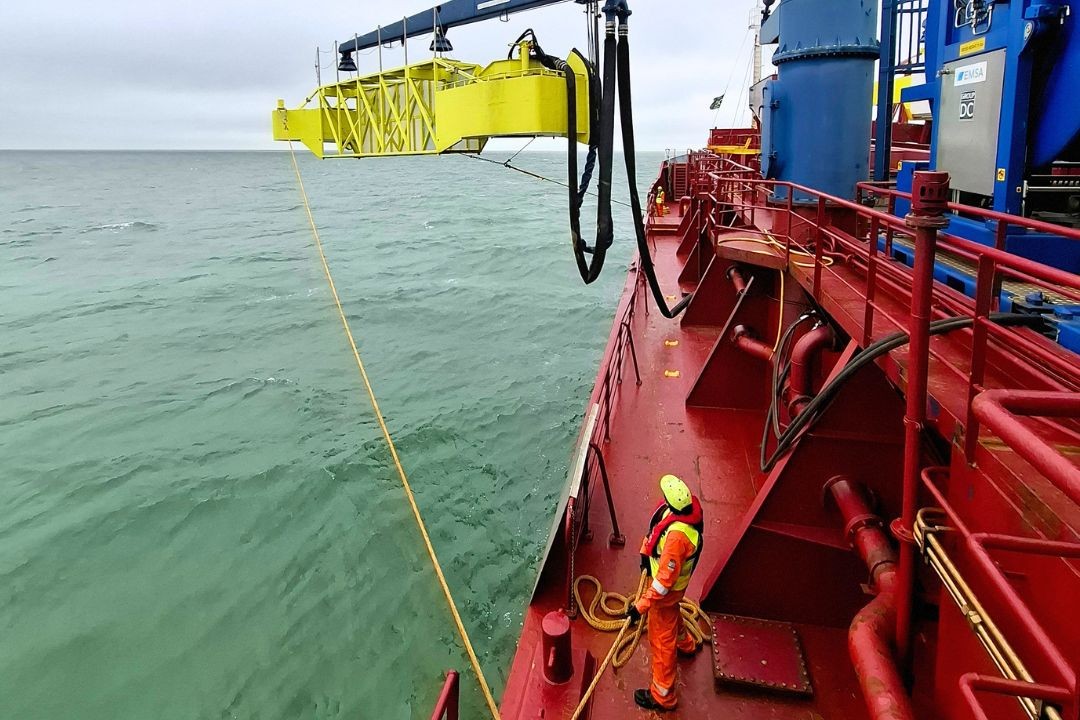 Interballast III deploys its sweeping arm during the POLEX 2026 exercise off Zeebrugge, 17 June 2026. Photo: © EMSA Interballast III deploys its sweeping arm during the POLEX 2026 exercise off Zeebrugge, 17 June 2026. Photo: © EMSA |
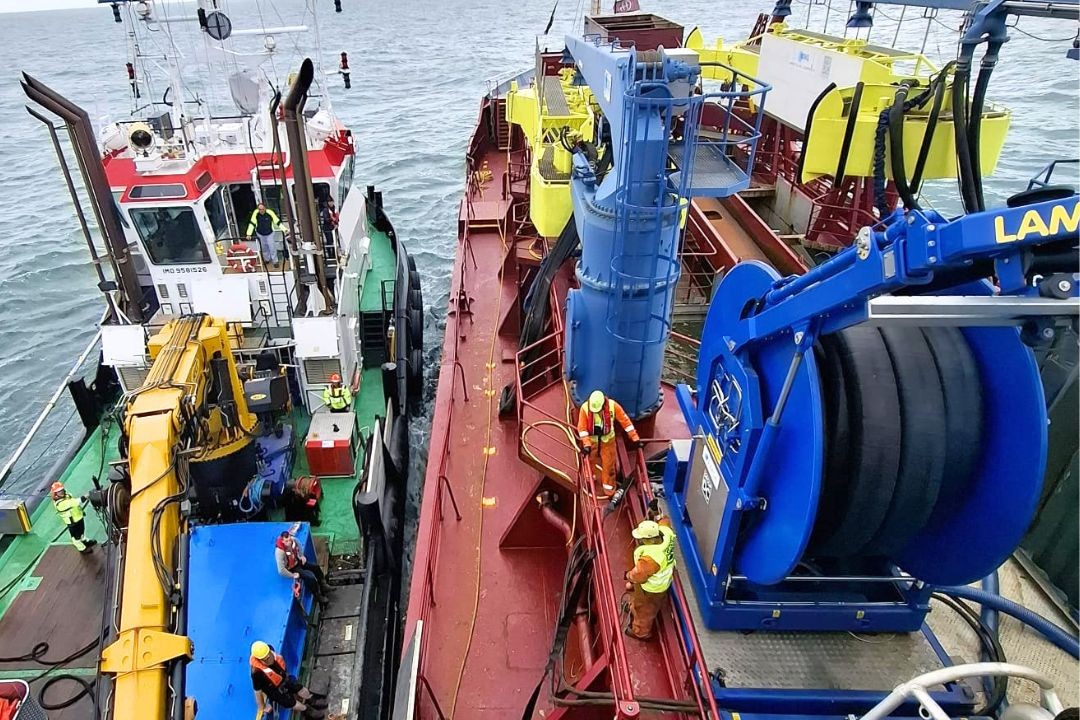 A simulated ship-to-ship transfer of recovered oil from Interballast III to MDK’s Zeetijger during POLEX 2026. Photo: © EMSA A simulated ship-to-ship transfer of recovered oil from Interballast III to MDK’s Zeetijger during POLEX 2026. Photo: © EMSA |
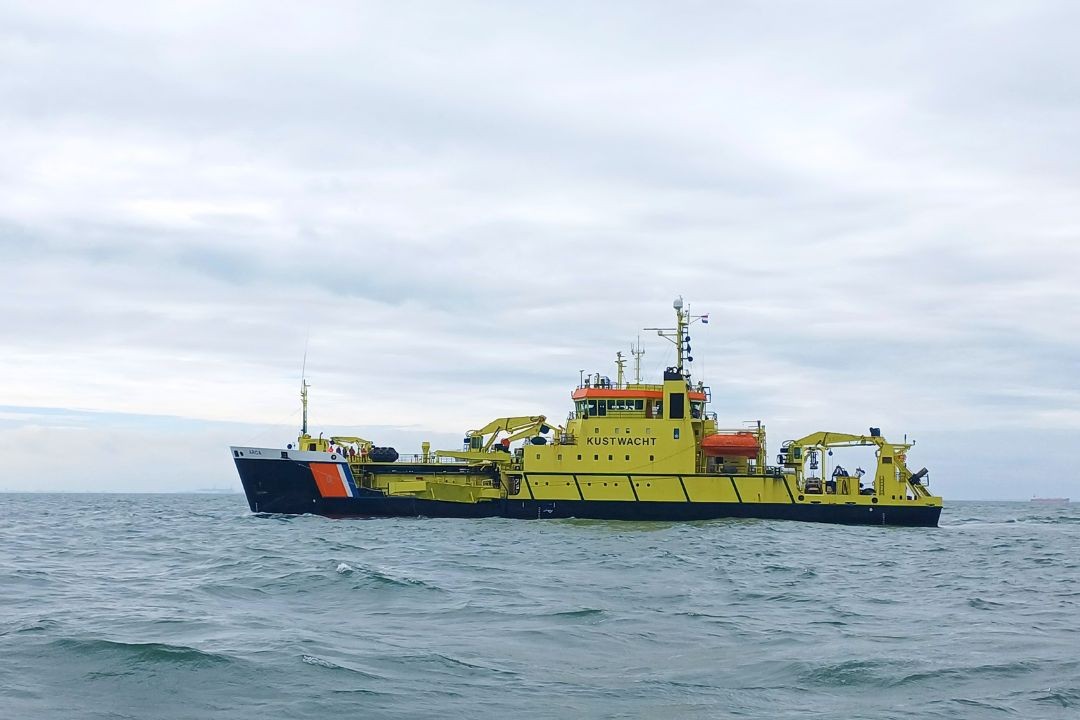 The Netherlands Coastguard vessel ARCA during POLEX 2026. Photo: © EMSA The Netherlands Coastguard vessel ARCA during POLEX 2026. Photo: © EMSA |
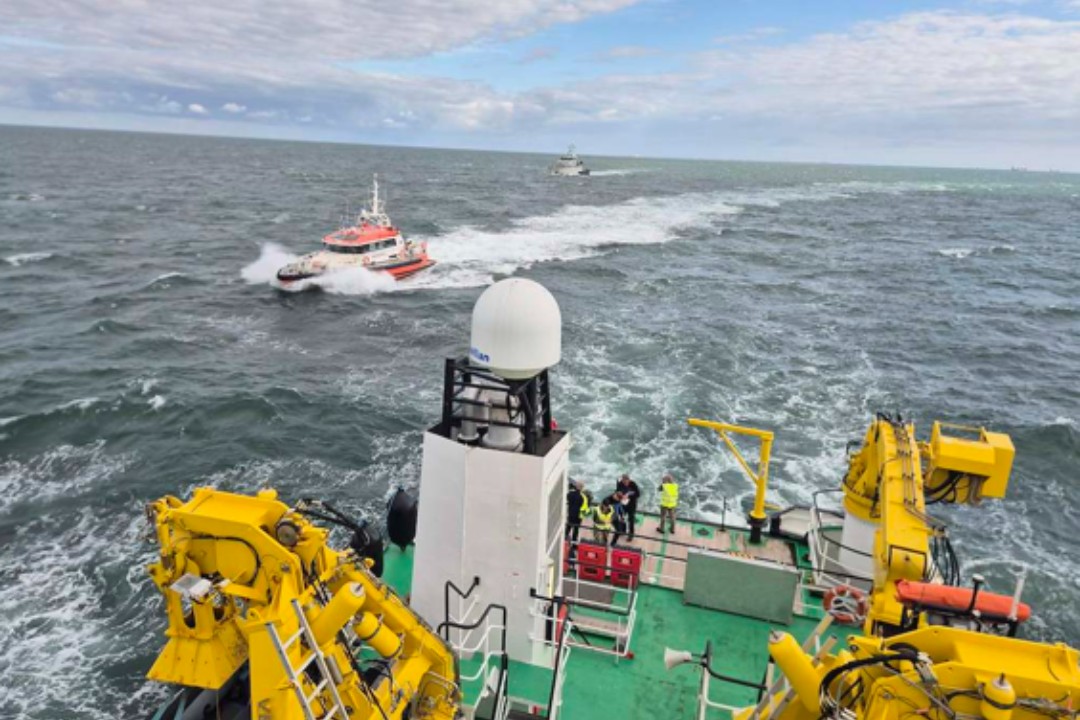 Search and rescue units at sea during the SARex 2026 exercise off Ostend, 10 September 2026. Photo: © EMSA, MDK, PREMAR, Netherlands Coastguard Search and rescue units at sea during the SARex 2026 exercise off Ostend, 10 September 2026. Photo: © EMSA, MDK, PREMAR, Netherlands Coastguard |
Training manikins or dummies represented persons in the water. The exercise also included a simulated medical evacuation by helicopter, following telemedical advice from Italy's Telemedical Maritime Assistance Service (CIRM).
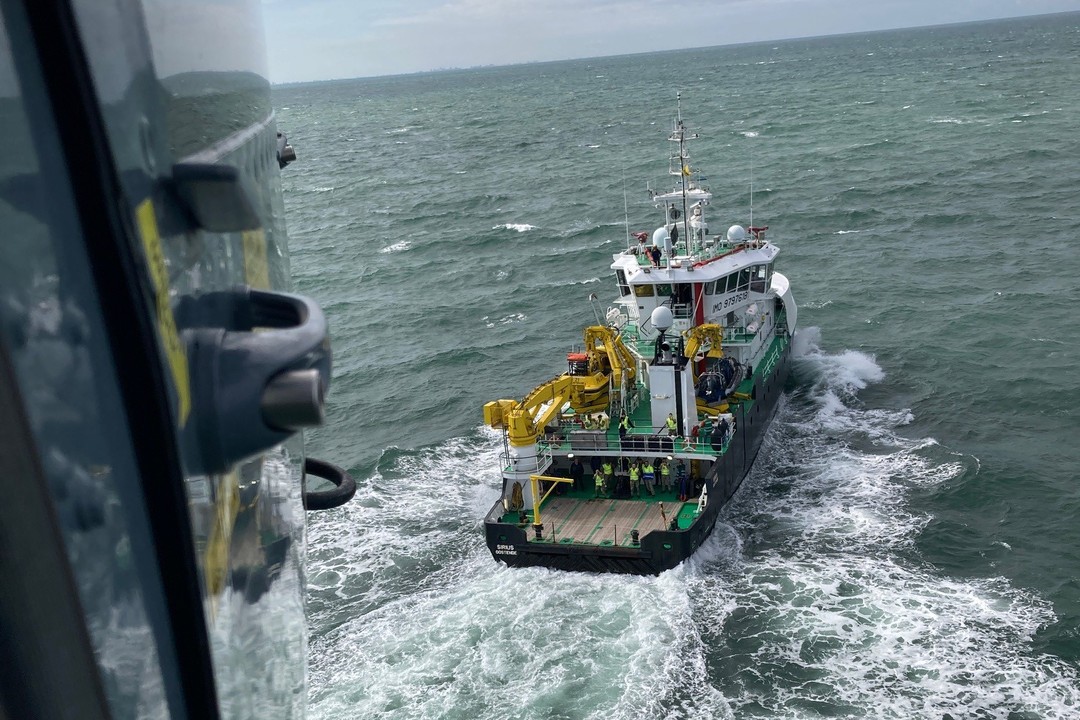 MDK’s Sirius, seen from a helicopter taking part in SARex 2026. Photo: © EMSA, MDK, PREMAR, Netherlands Coastguard MDK’s Sirius, seen from a helicopter taking part in SARex 2026. Photo: © EMSA, MDK, PREMAR, Netherlands Coastguard |
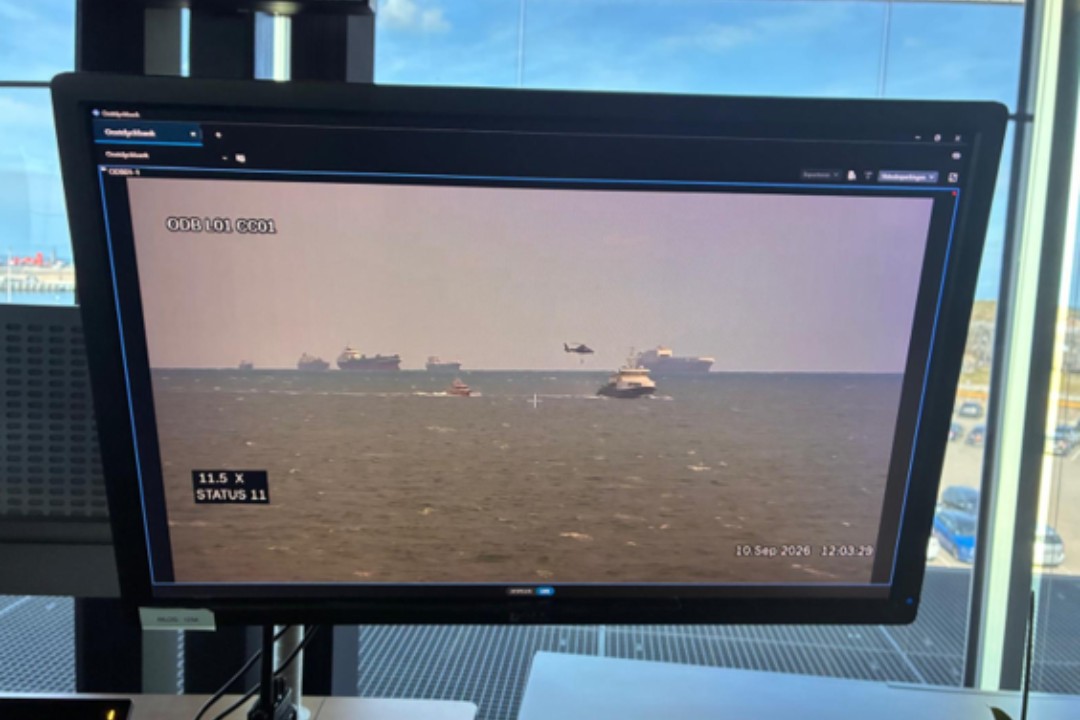 Helicopter winching during SARex 2026, followed on screen at MRCC Ostend. Photo: © EMSA, MDK, PREMAR, Netherlands Coastguard Helicopter winching during SARex 2026, followed on screen at MRCC Ostend. Photo: © EMSA, MDK, PREMAR, Netherlands Coastguard |
Building on this year’s experience, participants discussed priorities for future operations, including earlier engagement with national authorities in the planning phase, exercises covering a wider range of scenarios, and making assets available where they are most needed. The participating authorities have expressed their interest in a further operation in 2027.
EMSA thanks DG Shipping for hosting the review, and all the participating authorities, EFCA and Frontex – and in particular the crews, operators and coordination centre staff – for their commitment throughout the operation.
Participating authorities – Belgium: Agency for Maritime and Coastal Services (MDK); Belgian Navy; Agency for Agriculture and Fisheries; Scientific Service MUMM (Royal Belgian Institute of Natural Sciences); Directorate-General Environment (FPS Health, Food Chain Safety and Environment); Directorate-General Shipping (FPS Mobility and Transport); Maritime and River Police. France: Secretariat General for the Sea (SGMer); Maritime Prefecture for La Manche and the North Sea; French Navy; Directorate General for Maritime Affairs, Fisheries and Aquaculture (DGAMPA). The Netherlands: Netherlands Coastguard; Human Environment and Transport Inspectorate (ILT). EU agencies: EMSA; EFCA; Frontex.
-
Categories
Recently published news


